In short
- Walk slowly to help your body adjust to the thinning air.
- Sleep at Machhapuchhre Base Camp (3,700m) before pushing to ABC.
- Drink plenty of water and carry Diamox just in case.
In this article
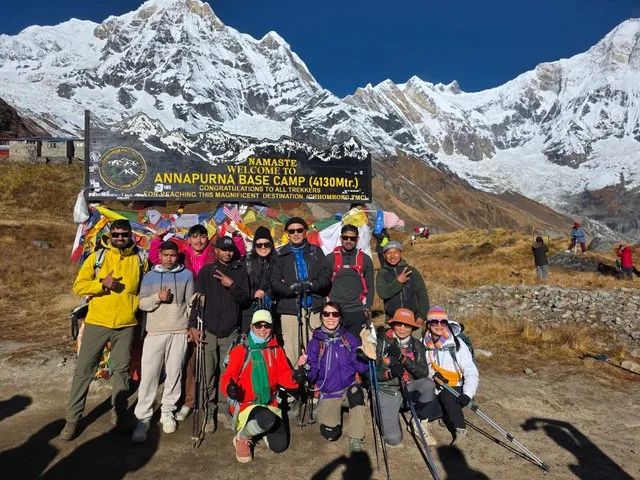
Reaching Annapurna Base Camp takes you to 4,130 meters (13,550 feet). At this elevation, the air holds significantly less oxygen than at sea level. Your body needs time to adapt to these changes to prevent Acute Mountain Sickness (AMS).
What is the highest elevation on the ABC trek?
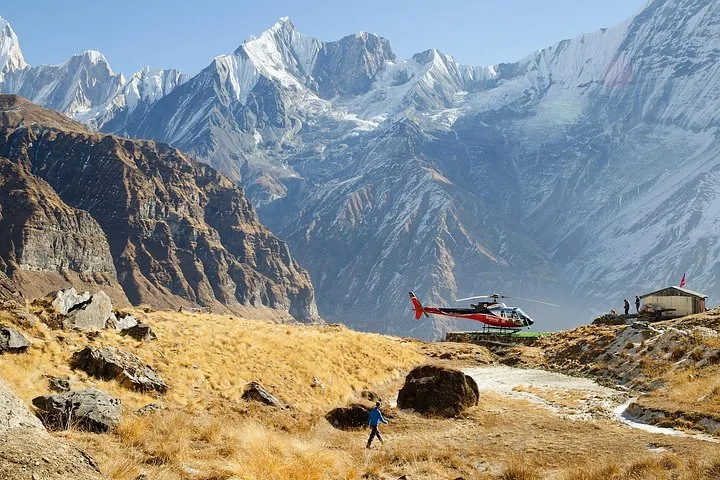
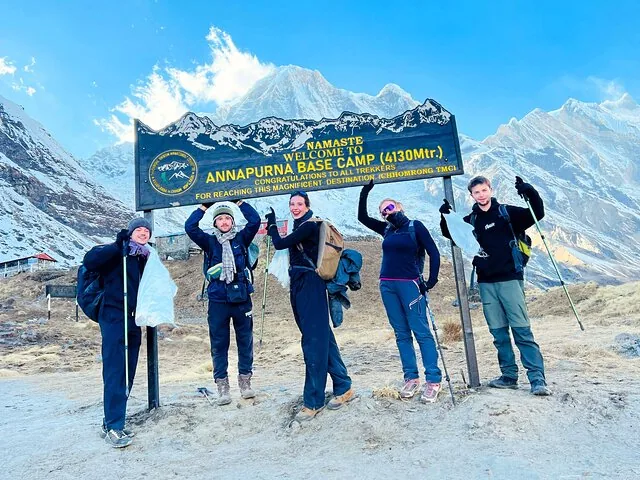
The highest point is Annapurna Base Camp at 4,130 meters (13,550 feet).
Most of the initial trekking days remain below 3,000 meters. The real elevation gain happens in the Modi Khola Gorge. As you pass Deurali and climb toward the sanctuary, the air becomes noticeably thinner.
How does pacing help prevent AMS?
Walking slowly allows your cardiovascular system to adjust to reduced oxygen levels.
Keep a steady, slow pace, even if you feel energetic. The average daily trekking time is 4 to 6 hours. Do not rush to the next teahouse. Let your body acclimatize gradually during the hike.
Should you sleep at Machhapuchhre Base Camp?
Yes, sleeping at Machhapuchhre Base Camp (MBC) is a proven acclimatization strategy.
MBC sits at 3,700 meters. Many trekkers spend the night here rather than pushing straight to the 4,130-meter Annapurna Base Camp. This lower sleeping altitude helps your body recover before you make the final short push the next morning.
What are the symptoms of altitude sickness?
Early signs include headaches, nausea, dizziness, and shortness of breath.
If you experience a mild headache, rest and drink water. If symptoms worsen to vomiting or severe confusion, you must descend immediately. Never ignore these signs or try to sleep off severe AMS at high altitudes.
What should I pack for altitude safety?
Bring a well-stocked first-aid kit containing altitude sickness medication like Diamox.
Consult your doctor about Diamox before you travel. You should also pack reusable water bottles and purification tablets. Staying heavily hydrated is critical for acclimatization, but plastic bottles are banned in the sanctuary.
Does hiring a guide help with altitude safety?
Yes, licensed guides are trained to monitor your pace and spot early AMS symptoms.
Rules from 2023 call for foreign trekkers to use a licensed guide; check current enforcement. These professionals ensure you ascend safely and know how to coordinate emergency responses if you fall ill on the trail.
Questions travellers ask
Is Annapurna Base Camp high enough for altitude sickness?
Yes. Altitude sickness can affect people above 2,500 meters. ABC sits at 4,130 meters (13,550 feet), making AMS a real possibility if you ascend too quickly.
Can I buy Diamox on the mountain?
No, you should bring Diamox and other first-aid supplies with you. Teahouses along the route provide food and basic amenities, but medical supplies are very limited.
Will drinking water prevent altitude sickness?
Hydration helps your body acclimatize effectively. You should carry a reusable water bottle and purification tablets to ensure you always have safe drinking water on the trail.