In short
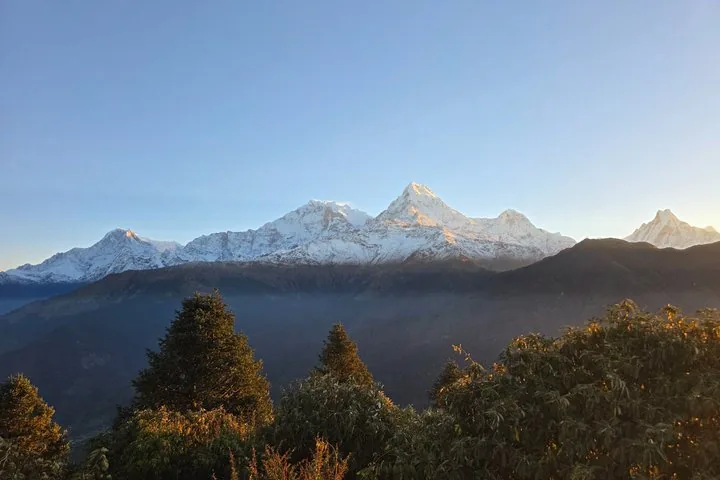
- Spring (March–May) brings blooming rhododendrons.
- Autumn (September–November) provides the clearest mountain skies.
- Avoid the summer monsoon to escape heavy rain and leeches.
In this article
The trek to the 4,130-meter Annapurna Base Camp is accessible year-round. However, your experience depends heavily on the season. Spring and autumn are the peak times, while summer and winter bring specific challenges like leeches and freezing temperatures.
When is the best time to trek Annapurna Base Camp?
The most popular months are April, May, October, and November.
These months offer the best balance of clear weather and manageable trail conditions. The spring season brings warmer temperatures and flowers, while autumn clears the dust from the air for sharp mountain views.
What is the Annapurna Base Camp trek like in spring?
Spring features warmer weather and blooming rhododendron forests in the lower trails.
Temperatures rise quickly in the Modi Khola Gorge. The trail gets busy, so booking early is necessary. Pay close attention to avalanche warnings between Deurali and Machhapuchhre Base Camp during these months, especially after late snowfalls.
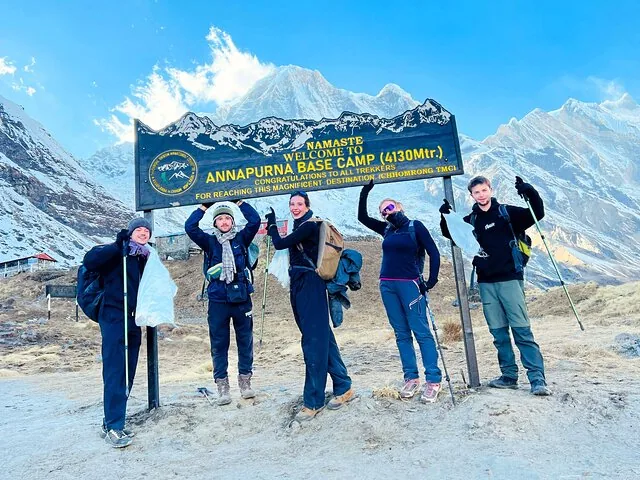
Why trek to Annapurna Base Camp in autumn?
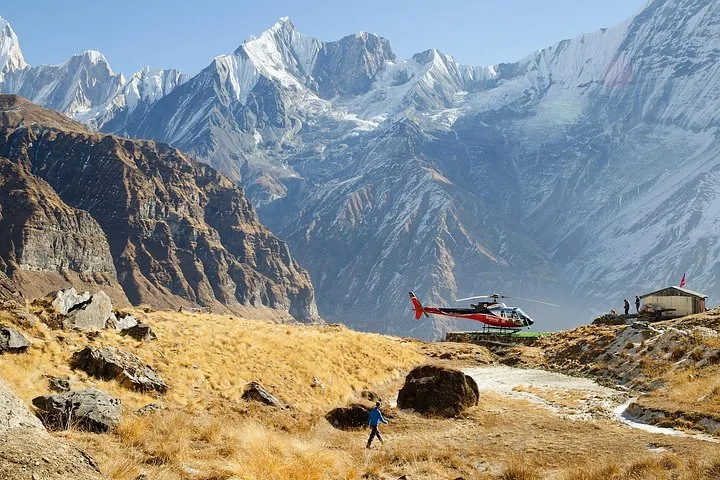
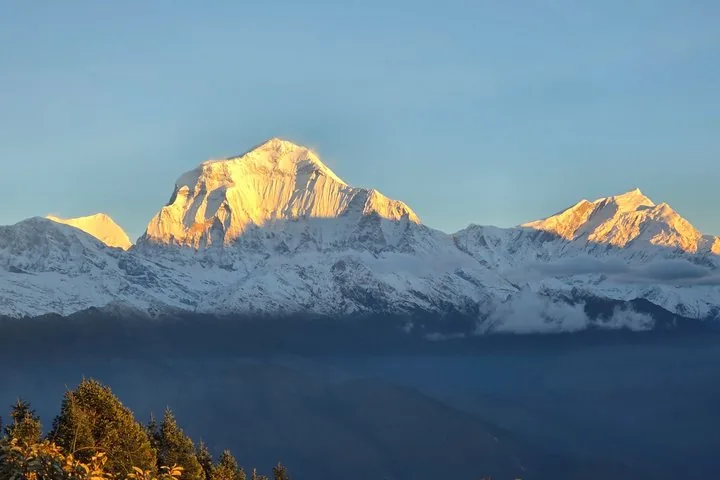
Autumn provides the clearest skies for mountain photography.
The post-monsoon air is crisp, leaving the peaks sharp and visible. This is the busiest time on the trail. You will encounter many trekkers in villages like Chhomrong and Ghandruk. Days are pleasant, but nights at higher altitudes freeze by late November.
Should I trek Annapurna Base Camp during the monsoon?
Trekking during the summer monsoon is not recommended.
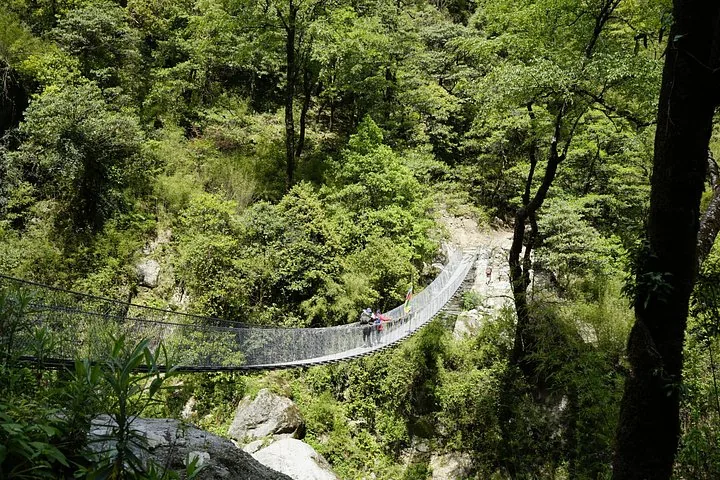
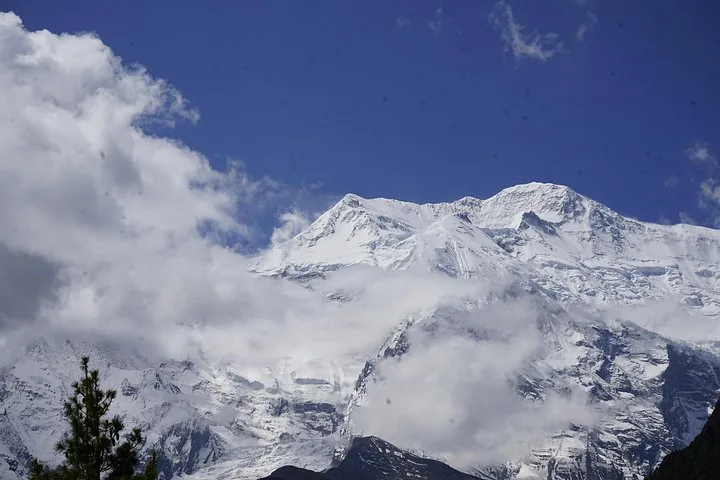
Heavy rains make the steep stone stairs slippery and dangerous. The trail through the bamboo forests becomes damp and infested with leeches. Thick clouds frequently block the 360-degree views from the Annapurna Sanctuary.
Can you hike to Annapurna Base Camp in winter?
You can hike in winter, but temperatures drop well below freezing at the base camp.
Teahouse blankets are often insufficient for the extreme cold. You must pack a high-quality four-season sleeping bag and thermal base layers. Snow can also block the narrow trail past Deurali, forcing you to turn back.
How does altitude affect the weather on the trail?
Temperatures drop significantly as you climb from subtropical valleys to the alpine base camp.
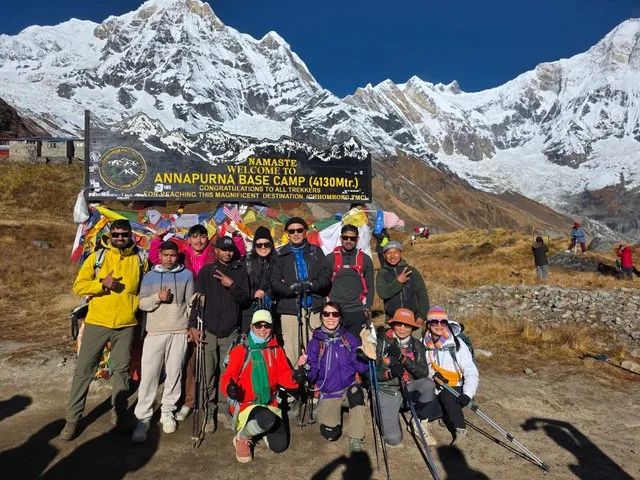
You start in warm conditions in places like Nayapul or Jhinu Danda. Once you pass the bamboo forests and reach the 4,130-meter Annapurna Base Camp, the climate is strictly alpine. Always pack layers to handle the transition.
Questions travellers ask
Are there leeches on the Annapurna Base Camp trail?
Yes, leeches are very common during the summer monsoon (June to August). They thrive in the damp forests of the Modi Khola Gorge. Trekking in spring or autumn avoids them.
What is the weather like at Annapurna Base Camp?
The base camp sits in a high glacial basin at 4,130 meters. It is cold year-round, especially at night. Daytime temperatures vary, but nights regularly drop below freezing.
What permits do I need for Annapurna Base Camp?
You need the Annapurna Conservation Area Permit (ACAP), which costs NPR 3,000 for foreigners. You must also hire a licensed guide through a registered agency.